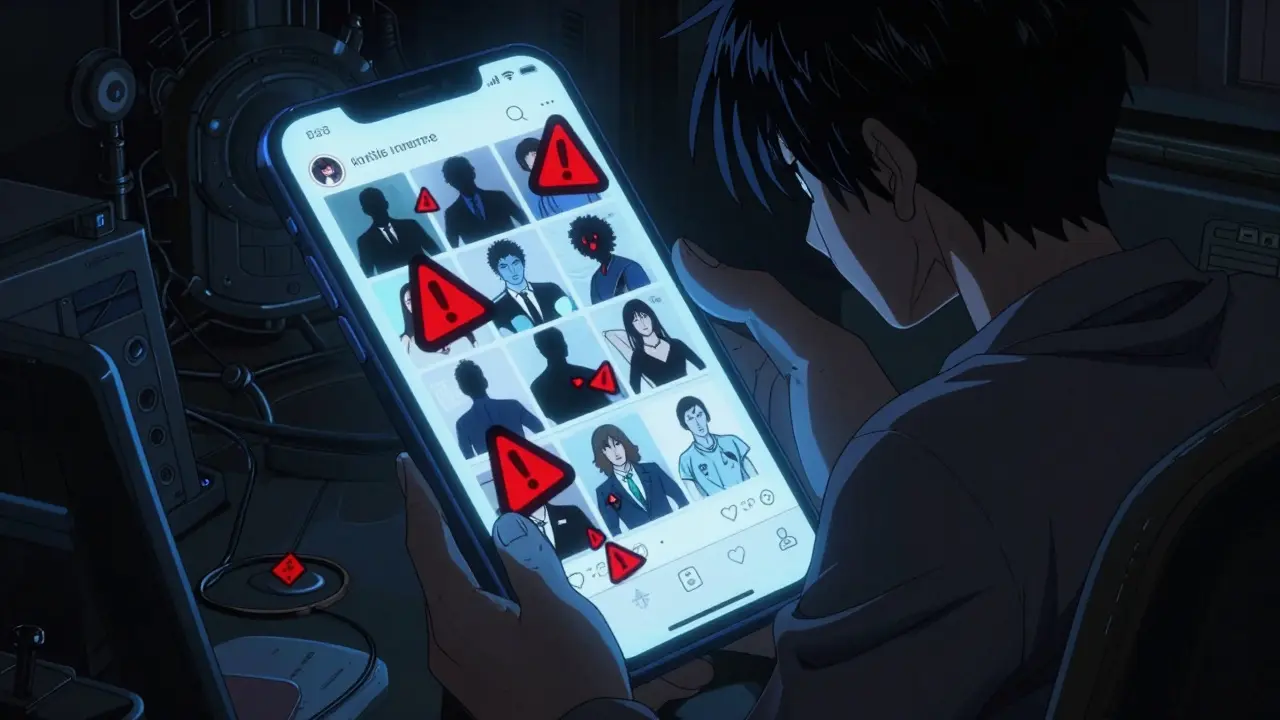
You scroll through your feed and see a video from someone with millions of followers. They claim that a specific supplement cures anxiety, or that you should stop taking your prescribed blood pressure medication in favor of a "natural" diet trend. It sounds simple. It sounds free. But is it safe? In an era where nearly 60% of Americans use the internet for health information, distinguishing between helpful tips and dangerous medication safety fundamentals has become a critical survival skill.
The problem isn't just annoying ads; it's real physical harm. During the pandemic, the World Health Organization declared an "infodemic," noting that false health information spread faster than the virus itself. Today, that issue persists. Unverified advice about pharmaceuticals and supplements can lead to severe adverse reactions, dangerous drug interactions, and delayed treatment for serious conditions. You don't need a medical degree to spot the red flags, but you do need to know what to look for.
The Anatomy of a Health Influencer
Not everyone posting about health on social media is trying to hurt you, but many are incentivized to mislead you. The first step in recognizing unsafe advice is understanding who is giving it. Look at the bio. Do they have credentials like MD, DO, PharmD, or RN? If not, why are they prescribing treatments?
Health Influencers are individuals who build audiences by sharing lifestyle and wellness content. While some are licensed professionals sharing general education, many are marketers. According to guidelines from Healthline, influencers on platforms like TikTok and Instagram are often paid to promote products. This creates a conflict of interest. When someone tells you that a specific brand of herbal tea cured their chronic pain, ask yourself: Are they selling that tea? Are they getting a commission if you click the link in their bio?
Be wary of anyone claiming "secret" knowledge that reputable news organizations or medical journals haven't covered. If a cure is truly revolutionary, it won't stay hidden in a 15-second video. It will be in peer-reviewed studies. If you can't find the claim backed by sources like the Centers for Disease Control and Prevention (CDC) or the Food and Drug Administration (FDA), treat it as marketing, not medicine.
Red Flags in Medical Claims
Unsafe medication advice usually follows a predictable pattern. These patterns exploit fear, hope, and confusion. Here are the most common warning signs that a post contains dangerous misinformation:
- Miracle Cures: Any claim that a single product can cure multiple unrelated diseases (e.g., cancer, diabetes, and depression) is false. Medicine is complex; there is no magic bullet.
- Anti-Science Rhetoric: Posts that blame "Big Pharma" or government agencies for hiding cures are using conspiracy theories to bypass scientific scrutiny. The University of Colorado Department of Medicine warns that these narratives often lack any biological plausibility.
- One-Sided Testimonials: Personal stories are powerful, but they are not data. Just because a supplement worked for one person doesn't mean it's safe for you. Individual results vary wildly based on genetics, existing conditions, and other medications.
- Urgency and Scarcity: Phrases like "Act now before this gets banned!" or "Only 10 spots left!" are classic sales tactics designed to make you act without thinking or verifying.
- Ignoring Medical History: Safe medical advice always considers your full history. Social media advice is generic. Taking advice that ignores your allergies, current prescriptions, or pregnancy status is inherently unsafe.
For example, viral trends like drinking straight apple cider vinegar or putting tape over your mouth while sleeping gained traction without proper medical validation. While some might experience minor benefits, others suffered burns, respiratory issues, or allergic reactions. The algorithm doesn't care about your biology; it cares about engagement.
The Algorithmic Echo Chamber
Why does bad advice stick around? Because social media algorithms are designed to keep you scrolling, not to keep you healthy. Research published in JAMA Pediatrics highlights how algorithms create "echo chambers." If you click on one video about alternative remedies, the platform assumes you want more. It then feeds you increasingly extreme content that aligns with your existing beliefs, even if those beliefs are medically incorrect.
This phenomenon is known as algorithmic bias. It limits your exposure to comprehensive, balanced information. A study from the University of Denmark found that a person's vaccine stance resulted in seeing highly dissimilar sources of vaccine information. Essentially, the platform isolates you in a bubble of confirmation bias. To break out, you must actively seek diverse viewpoints and authoritative sources outside your feed.
| Feature | Safe, Evidence-Based Advice | Unsafe, Misleading Advice |
|---|---|---|
| Source Credentials | Licensed professionals (MD, PharmD, RD) or reputable institutions (CDC, WHO) | Unlicensed influencers, anonymous accounts, or brands with no transparency |
| Tone | Cautious, nuanced, acknowledges limitations and side effects | Absolute, urgent, uses fear-mongering or promises "miracles" |
| Evidence | Cites peer-reviewed studies, clinical trials, or official guidelines | Relies on anecdotes, "secret" knowledge, or conspiracy theories |
| Monetization | Clear disclosure of sponsorships; focuses on education, not sales | Aggressive push to buy a specific product; links to affiliate stores |
| Personalization | Encourages consulting a doctor for individual cases | Offers one-size-fits-all solutions that ignore medical history |

Three Steps to Verify Any Claim
You don't need to be a scientist to fact-check. You just need a routine. Experts from the Boston University School of Public Health recommend improving your "media information literacy." Here is a practical three-step verification process you can use before acting on any social media health tip:
- Check the Source: Who is making the claim? Look up their background. Are they a licensed health professional? If they are a doctor, check if they are board-certified in the relevant field. A dermatologist giving advice on heart medication is out of their lane.
- Cross-Reference with Authorities: Don't trust one source. Take the core claim and search for it on trusted sites. Does the CDC, FDA, or Mayo Clinic mention this treatment? If a "miracle cure" is real, these organizations would likely have issued guidelines or warnings. If you only find blog posts and influencer videos, it's likely misinformation.
- Analyze the Motive: Is the person trying to educate you or sell you something? Look for affiliate links, discount codes, or calls to action to purchase a product. If the advice leads directly to a checkout page, pause. Real medical advice prioritizes your safety over profit.
Platforms like Facebook and Instagram have introduced features like "flag-and-fact-check" systems that denote posts with misinformation and direct users to credible sources. Use these tools. If a post has been flagged by independent fact-checkers, listen to them.
The Danger of Self-Medication
Perhaps the biggest risk of social media health advice is self-medication. People often substitute prescribed medications with supplements or diets recommended online. This can be deadly. For instance, stopping antidepressants abruptly can cause severe withdrawal symptoms. Mixing certain herbal supplements with blood thinners can lead to internal bleeding.
The Pharmacy Times reported that misleading marketing of pharmaceutical and herbal medicines poses a significant threat, especially to adolescents. Young people are particularly vulnerable because they may not yet have established relationships with healthcare providers or the critical thinking skills to evaluate complex medical claims. Dr. Wang and Katherine Togher, MPH, RD, emphasize that left unaddressed, this misinformation challenges health equity and adolescent well-being.
Always remember: What works for one person may not work for you. Your body is unique. Your genetic makeup, age, weight, and existing conditions all influence how you react to substances. A generic recommendation from a stranger cannot account for these variables.

Pre-Bunking: Building Mental Immunity
Instead of waiting to debunk false claims after you've seen them, try "pre-bunking." Research indicates that changing health behaviors is more effective when users are exposed to accurate information *before* they encounter misinformation. Think of it like a mental vaccine.
Follow accounts run by reputable health organizations. Subscribe to newsletters from the American Heart Association, the National Institutes of Health, or local public health departments. When you fill your feed with credible science, you're less likely to fall for sensationalist nonsense. You'll recognize the tropes of misinformation-like the "hidden truth" narrative-because you already know how science actually works: slowly, carefully, and with evidence.
Education is your best defense. Teach your friends and family, especially younger ones, to question sources. Ask them: "Who paid for this study?" "Where is the data?" "Is this person licensed?" By fostering a culture of skepticism and verification, you protect not just yourself, but your community.
When to Talk to a Doctor
If you see a trend that interests you, bring it to your healthcare provider. Don't hide it. Doctors appreciate when patients are engaged in their health. Say, "I saw this on TikTok about [supplement/trend]. Is this safe for me given my current medications?" They can provide context that social media never can. They know your lab results, your family history, and your risk factors.
Remember, it is illegal for healthcare professionals to provide specific medical advice to people who are not their patients via social media. This is why you see disclaimers like "For educational purposes only" on every legitimate health account. If someone gives you specific dosage instructions or diagnoses you in the comments, block them. They are breaking ethical and legal standards.
Your health is too important to gamble on a viral video. Stay curious, stay skeptical, and always verify.
How can I tell if a health influencer is qualified?
Look for verified credentials in their bio, such as MD (Medical Doctor), DO (Doctor of Osteopathic Medicine), PharmD (Pharmacist), or RN (Registered Nurse). Check if they are licensed in your state or country. Be cautious of titles like "Wellness Coach" or "Nutritionist" which may not require rigorous medical training depending on the jurisdiction. Always cross-reference their advice with official medical sources.
Why are social media algorithms dangerous for health advice?
Algorithms prioritize engagement over accuracy. If you interact with one piece of misinformation, the algorithm shows you more similar content, creating an echo chamber. This reinforces false beliefs and limits your exposure to corrective, evidence-based information, making it harder to distinguish fact from fiction.
What is "pre-bunking" in the context of health misinformation?
Pre-bunking is the practice of exposing yourself to accurate, scientific information before encountering misinformation. It builds "mental immunity" by helping you recognize common manipulation tactics, such as conspiracy theories or miracle cure claims, so you are less likely to believe them when you see them.
Is it safe to follow diet trends promoted on TikTok or Instagram?
Generally, no. Diet trends are often oversimplified and ignore individual nutritional needs and medical conditions. Many are promoted by influencers with financial incentives to sell related products. Always consult a registered dietitian or doctor before making significant changes to your diet, especially if you have underlying health issues.
What should I do if I suspect I've been misled by online health advice?
Stop following the advice immediately. Contact your healthcare provider to discuss any changes you made to your medication or diet. Be honest about what you tried and for how long. They can assess any potential risks and help you return to a safe, evidence-based treatment plan.
