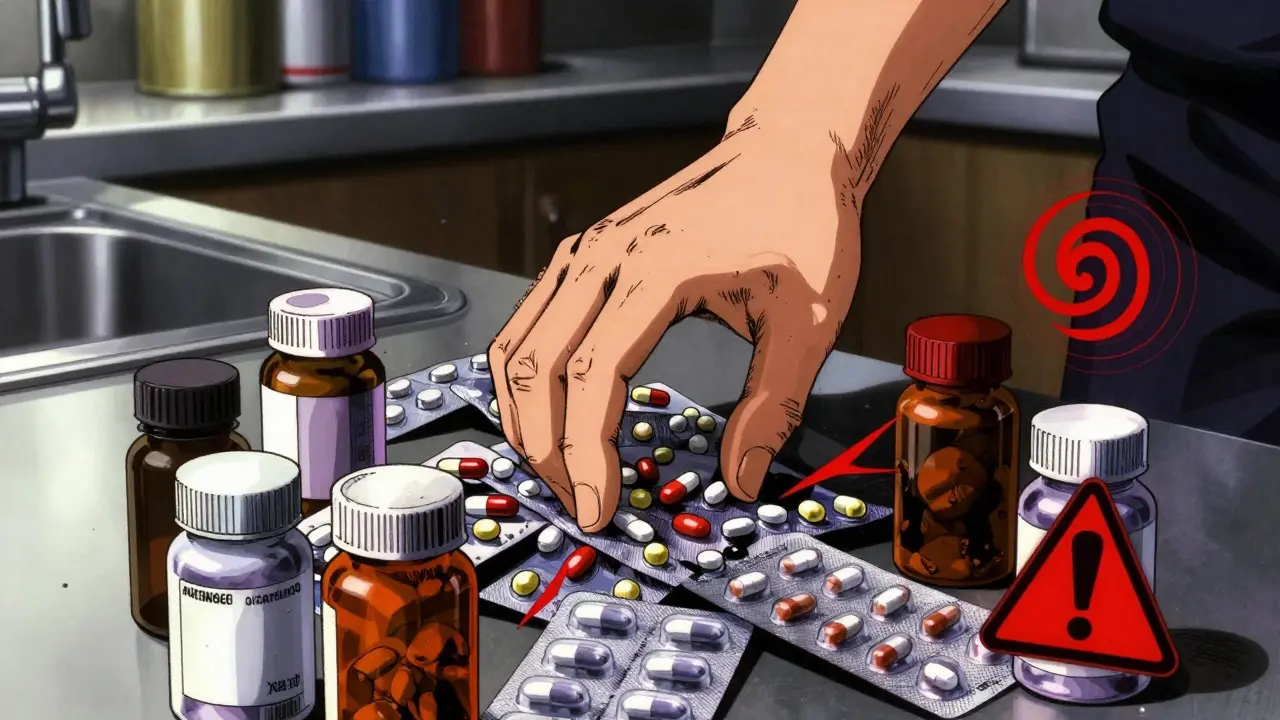
Imagine handing your loved one a pill that looks exactly right, has the right dosage on the bottle, but was actually prescribed for someone else in the household. It’s a terrifying scenario, yet it happens more often than you might think. Medication errors are not just hospital problems; they are a daily reality for millions of family caregivers managing complex health needs at home.
If you are caring for an older adult, a child, or anyone with chronic conditions, you are now part of their healthcare team. You hold the power to prevent harm, reduce hospital readmissions, and improve quality of life simply by getting the details right. This guide breaks down the essential practices to keep your loved one safe from medication safety pitfalls, moving beyond basic advice to actionable, evidence-based strategies.
The Hidden Dangers of Polypharmacy
One of the biggest challenges you will face is polypharmacy, which is the concurrent use of multiple medications by a single patient. Specifically, this refers to taking five or more prescription drugs daily. According to data from the Caregiver Action Network, 44% of older adults fall into this category. Why does this matter? Because the risk of adverse drug events skyrockets.
Research from the Agency for Healthcare Research and Quality (AHRQ) indicates that polypharmacy increases the risk of negative reactions by 88% in adults over 65. When multiple drugs interact, they can cancel each other out, amplify side effects, or create entirely new toxic compounds in the body. For instance, combining certain pain relievers with blood thinners can lead to dangerous bleeding. Dr. Michael Steinman from UCSF noted in the New England Journal of Medicine that nearly half of older adults take at least one medication that poses more risks than benefits. Common culprits include proton pump inhibitors for acid reflux and benzodiazepines for anxiety, both of which can cause falls, confusion, and cognitive decline in the elderly.
- Identify Red Flags: Look for symptoms like sudden dizziness, confusion, or loss of appetite after starting a new drug.
- Review Frequency: Schedule a "brown bag review" with a pharmacist every six months. Bring all bottles-prescription, over-the-counter, vitamins, and herbs-to check for hidden interactions.
- Question Necessity: Ask the doctor, "Is this medication still necessary, or can we taper off it?" Many drugs prescribed years ago may no longer be needed.
Mastering Medication Reconciliation
A critical moment for safety is during transitions of care, such as when a loved one is discharged from the hospital. Dr. Joanne Lynn’s research shows that 62% of medication errors occur during these handoffs. This is where medication reconciliation becomes vital. It is the process of creating the most accurate list possible of all medications a patient is taking, including name, dose, frequency, and route, and comparing it against orders at care transitions.
Without proper reconciliation, patients often return home with duplicate prescriptions or miss crucial maintenance meds. The Institute of Safe Medication Practices highlights that look-alike and sound-alike drug names contribute to 15% of reported errors. For example, hydroXYZINE and hydroCORTISONE look similar but serve very different purposes. One treats allergies; the other is a steroid. Confusing them can have severe consequences.
To master this, you need a system. Create a master medication list immediately upon discharge. This list should include brand and generic names, exact dosages (e.g., 500mg tablets), precise administration schedules (e.g., 8:00 AM and 8:00 PM), the purpose of each drug, and known side effects. Keep this list updated. If a doctor changes a dose, update the list within 24 hours. This simple document becomes your shield against chaos.

Storage and Handling Best Practices
How you store medications matters just as much as how you administer them. Improper storage can degrade drugs, making them ineffective or harmful. The FDA’s 2023 report found that 90% of caregivers fail to properly monitor expiration dates, leading to the use of expired or compromised medications.
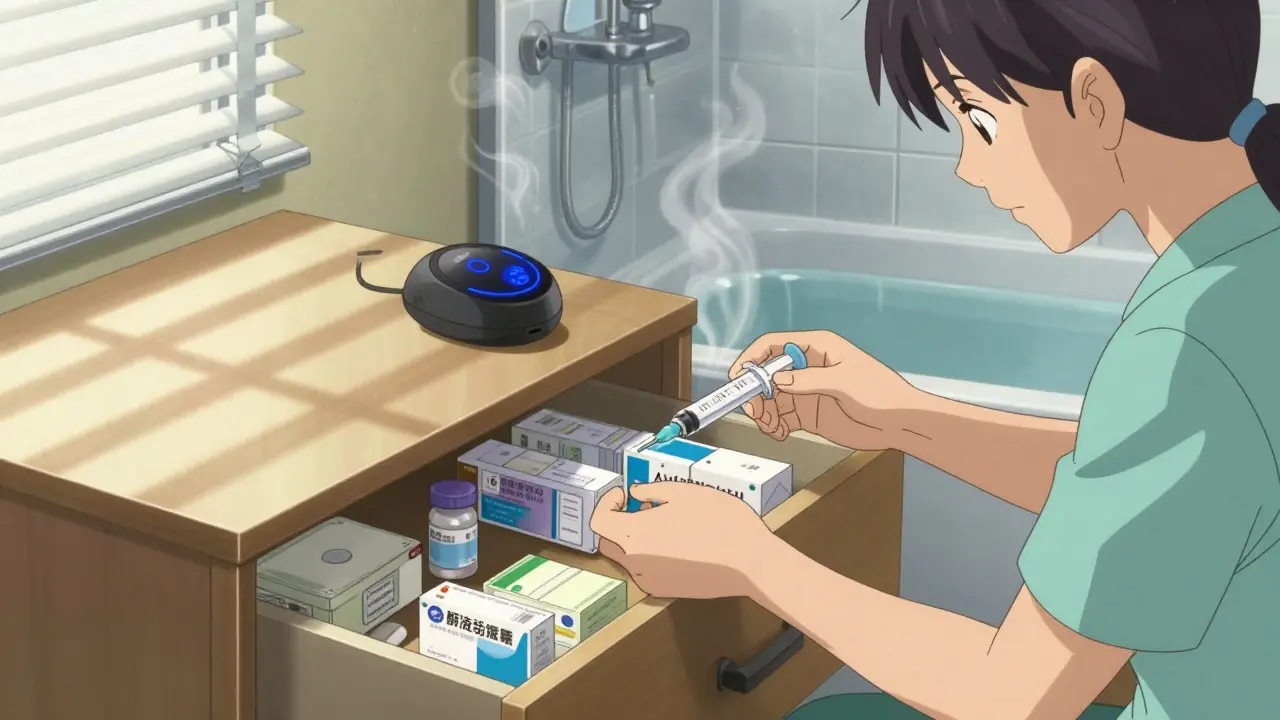
Most medications should be stored at room temperature, specifically between 68-77°F (20-25°C). Avoid bathrooms and kitchens, where humidity and heat fluctuate wildly. Instead, choose a cool, dry drawer or cabinet away from direct sunlight. Insulin and certain antibiotics require refrigeration, so always check the label or ask the pharmacist.
For liquid medications, accuracy is key. Household spoons vary by 20-40% in volume, according to a study in JAMA Pediatrics. Never use a coffee spoon or tablespoon. Always use calibrated oral syringes or dosing cups provided with the medication. For those with dementia, the Alzheimer's Association recommends using seven-day pill organizers with AM/PM compartments. However, be cautious: if your loved one forgets whether they took their morning dose, a pre-filled organizer can lead to double-dosing. In such cases, consider smart dispensers that lock until the correct time.
| Mistake | Risk | Best Practice |
|---|---|---|
| Storing in bathroom medicine cabinet | Humidity degrades pills; heat melts ointments | Store in a cool, dry bedroom drawer |
| Using kitchen spoons for liquids | Dosage error up to 40% | Use only calibrated oral syringes |
| Ignoring expiration dates | Reduced efficacy or toxicity | Monthly audit of all supplies |
| Mixing supplements with prescriptions | Hidden drug interactions | Pharmacist review of all substances |
Leveraging Technology and Professional Support
You don’t have to do this alone. Technology and professional support can significantly reduce your burden and increase safety. Digital medication tracking apps like Medisafe and CareZone have shown to reduce missed doses by 32% compared to paper logs. These apps send reminders to both you and your loved one, ensuring that timing is consistent.
However, technology isn’t for everyone. A National Institute on Aging focus group found that 27% of caregivers over 65 struggle with digital tools. If screens are confusing, stick to analog methods like large-print calendars or color-coded pill boxes. The goal is consistency, not complexity.
Professional pharmacists are your unsung heroes. Medicare Part D mandates medication therapy management (MTM) services for beneficiaries taking eight or more medications. Use this benefit. During these sessions, pharmacists identify potential problems in 35% of consultations. They can catch dangerous interactions that even doctors might miss. Additionally, major pharmacy chains like CVS and Walgreens offer medication synchronization programs. These align all refills to a single weekly pickup day, reducing missed doses by 39%. This simplifies your routine and ensures you never run out of critical meds unexpectedly.
Recognizing and Responding to Errors
Despite best efforts, mistakes happen. The key is recognizing them quickly and responding calmly. Common signs of a medication error include sudden changes in behavior, unexplained rashes, vomiting, or difficulty breathing. If you suspect an error, stop administering the medication and contact the prescribing doctor or poison control immediately. Do not wait to see if symptoms resolve on their own.
Document the incident. Note what was given, when, and the observed reaction. This information is crucial for medical professionals to provide appropriate treatment. Learning from errors is part of the process. Analyze what went wrong-was it a labeling issue, a distraction, or a misunderstanding? Adjust your system accordingly. Perhaps you need better lighting in the medication area, or maybe you need to simplify the schedule by asking the doctor about once-daily formulations.
Building a Sustainable Safety Culture
Medication safety is not a one-time task; it is an ongoing practice. Integrate safety checks into your weekly routine. Spend 10 minutes verifying supplies and expiration dates. Engage your loved one in the process if they are able. Asking them, "What are you taking today?" reinforces their understanding and gives you a chance to verify compliance.
Educate yourself continuously. Resources like the CDC’s Medication Safety Guidelines and the Caregiver Action Network’s programs offer updated advice. Stay informed about high-risk medications identified by the Beers Criteria, which lists drugs generally inappropriate for older adults. By staying proactive, you transform from a passive administrator into an active guardian of health.
Remember, your vigilance saves lives. Every correct dose, every checked interaction, and every organized refill contributes to your loved one’s well-being. You are making a difference, one pill at a time.
What is the most common type of medication error among caregivers?
The most common errors involve incorrect dosing due to unit conversion mistakes or using uncalibrated measuring devices like household spoons. Another frequent issue is administering medications at the wrong time or skipping doses due to complex schedules.
How often should I review my loved one's medication list with a doctor?
It is recommended to conduct a comprehensive medication review at least twice a year, or whenever there is a change in health status, hospitalization, or addition of a new medication. This helps identify unnecessary drugs and potential interactions.
Are over-the-counter medications safe for elderly patients?
Not necessarily. Many OTC drugs, such as antihistamines and pain relievers, can interact dangerously with prescription medications or cause side effects like drowsiness and falls in older adults. Always consult a pharmacist before introducing any OTC product.
What should I do if my loved one misses a dose?
Check the medication instructions or call the pharmacist for specific guidance. Generally, if it is close to the next scheduled dose, skip the missed one. Do not double up on doses unless explicitly advised by a healthcare provider, as this can lead to overdose.
How can I help a loved one with dementia remember to take their meds?
Use automatic pill dispensers with alarms, establish a consistent routine linked to daily activities like meals, and supervise administration directly. For advanced dementia, caregivers must manage the entire process, ensuring the medication is swallowed and not hidden.
