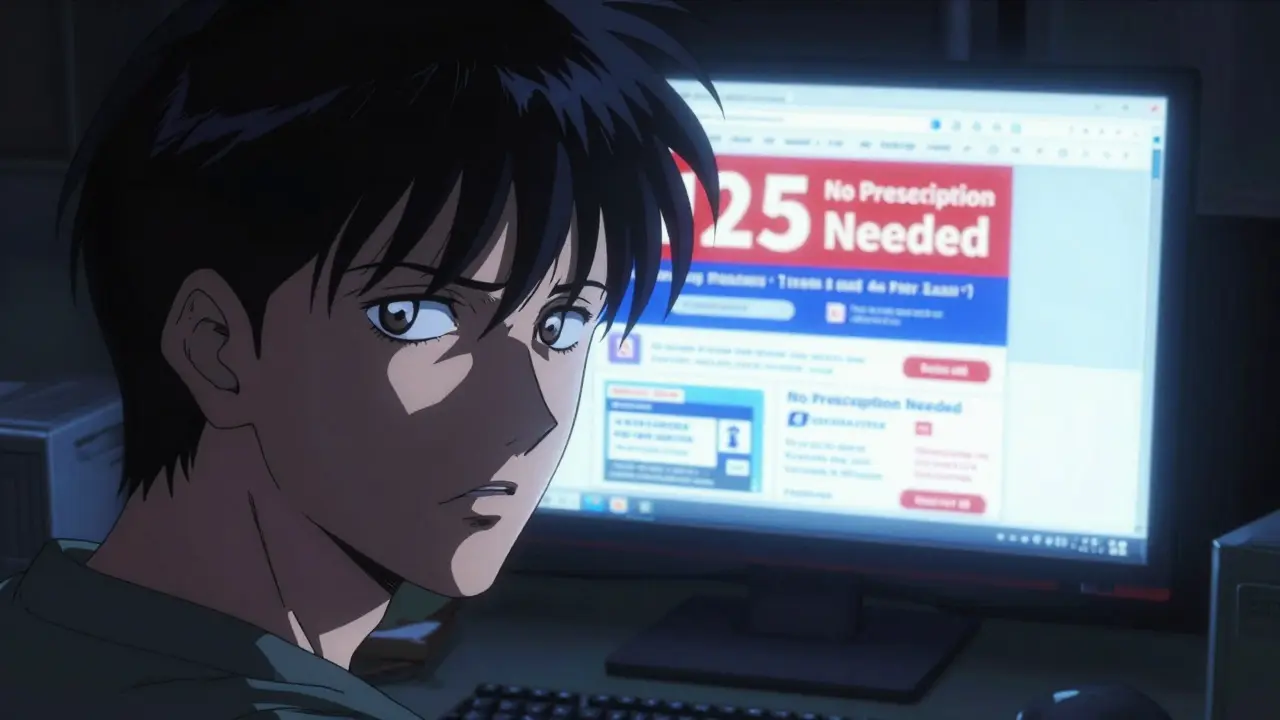
You need that prescription refill, but your local pharmacy is closed, or the price tag makes you wince. So, you search online. A sleek website pops up with a discount that seems too good to be true. No prescription required. Fast shipping. It feels convenient, maybe even smart. But here is the hard truth: online pharmacy counterfeits are not just a nuisance; they are a deadly global crisis. When you buy medicine from an unverified source, you aren't just risking a wasted dollar. You are gambling with your health, potentially ingesting toxic substances, fillers like chalk or rat poison, or lethal doses of fentanyl disguised as painkillers.
The scale of this problem is staggering. According to the United States Trade Representative’s 2024 review, approximately 96 percent of the estimated 35,000 online pharmacies operating worldwide violate legal regulations. Every single day, twenty new illicit pharmacy websites spring up. These aren’t small-time operators; they are sophisticated criminal networks exploiting vulnerabilities in the global supply chain. As someone who pays close attention to public health trends, I’ve seen how these operations mimic legitimate e-commerce platforms with professional branding, shopping carts, and customer reviews designed to deceive. The result? Millions of people worldwide are unknowingly consuming dangerous products.
What Exactly Are Counterfeit Medicines?
To understand the risk, we first need to define what we are dealing with. Counterfeit medicines are products that are intentionally falsified regarding their identity, composition, or source packaging. They are not merely "expired" or "stored incorrectly." They are deliberately made to look like real drugs but contain little to no active ingredient, or worse, harmful contaminants.
The World Health Organization (WHO) estimates that at least one in ten medicines in low- and middle-income countries are substandard or falsified. Globally, countries spend an estimated US$ 30.5 billion annually on these dangerous products. The Pharmaceutical Security Institute reported 6,424 global incidents of pharmaceutical counterfeiting, illegal diversion, and theft in 2024 alone, impacting 136 countries. These incidents cover over 2,428 distinct medicines across all therapeutic areas, including oncology, biologics, and common antibiotics.
Why do criminals target certain drugs? High demand and high profit margins drive the market. Recent FDA alerts have highlighted specific hotspots:
- Weight loss drugs: Counterfeit versions of Ozempic (semaglutide) have been identified multiple times, containing unknown substances instead of the prescribed medication.
- Cosmetic treatments: Fake Botox has been found in multiple states, leading to unexpected reactions or lack of efficacy for patients seeking aesthetic improvements.
- Dietary supplements: Counterfeit alli (orlistat) capsules were discovered at U.S. online retailers in mid-2025.
- Pain management: This is perhaps the most deadly category. The DEA seized more than 60 million fentanyl-laced fake pills in 2024. These pills often look identical to legitimate oxycodone or hydrocodone but contain synthetic opioids up to 50 times stronger than heroin.
The Anatomy of an Illegal Online Pharmacy
How do these illegal operations work? They bypass every safety protocol designed to protect you. Legitimate pharmacies require valid prescriptions, operate under licensed pharmacists, maintain proper storage conditions (like temperature control for insulin), and provide comprehensive medication information. Illicit sites ignore all of this.
Interpol’s Operation Pangea XVI in 2025 involved law enforcement from 90 countries, resulting in 769 arrests and the dismantling of 123 criminal groups. They seized 50.4 million doses of unapproved and counterfeit medicines and shut down approximately 13,000 associated websites and social media pages. What did these sites have in common?
- No Prescription Requirement: If a site offers controlled substances without asking for a doctor’s note, it is illegal.
- Aggressive Marketing: They use SEO tricks to appear at the top of search results, often claiming to be "doctor-approved" or "FDA-registered" when they are not.
- Vague Contact Information: Legitimate pharmacies have physical addresses and phone numbers. Illicit ones often list PO boxes in foreign countries or non-existent offices.
- Too-Good-To-Be-True Prices: Discounts of 50-80% off retail prices are a major red flag. Real pharmaceuticals have manufacturing, testing, and distribution costs that cannot be cut by half.
The OECD/EUIPO report notes that companies registered in the United States bear the brunt of this trade, accounting for almost 38 percent of all seized counterfeit medicines. This highlights how transnational these crimes are. A website may claim to ship from the U.S., but the product likely originates from an unregulated lab overseas.
Health Risks: More Than Just Ineffectiveness
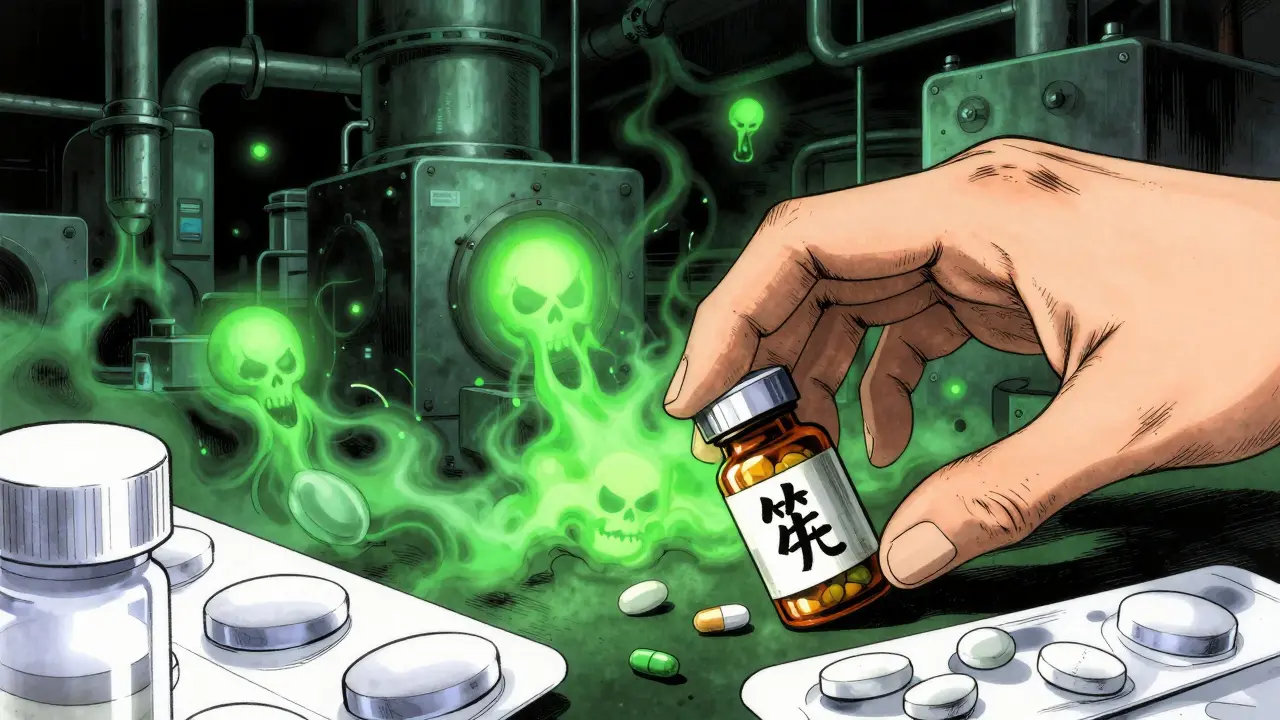
The immediate consequence of buying counterfeit medicine might seem minor if the drug simply doesn’t work. For example, a fake antibiotic won’t cure an infection, allowing the bacteria to spread and potentially become resistant. However, the risks go far beyond treatment failure.
Falsified medical products are often not properly formulated and may contain dangerous ingredients such as heavy metals, pesticides, or other drugs. Dr. Tedros Adhanom Ghebreyesus, WHO Director-General, has emphasized that these products can be directly harmful if they contain contaminants or toxic substances. Here are some specific scenarios:
- Overdose: The CDC warns that individuals ordering medications from illegal online pharmacies are at risk for overdose due to counterfeit pills containing fentanyl and methamphetamine. Because the dosage is unpredictable, one pill might be harmless while the next kills you.
- Allergic Reactions: Unknown fillers or binders used in fake pills can trigger severe allergic responses.
- Organ Damage: Long-term use of counterfeit diabetes or heart medications can lead to undiagnosed complications, kidney failure, or stroke because the underlying condition is not being managed.
- Ocular Injury: The FDA issued an alert in April 2023 about counterfeit eye treatments like Muro 128, which could cause ocular damage due to improper pH levels or bacterial contamination.
The U.S. Department of Justice indicted 18 defendants in September 2024 for running illegal online pharmacies that distributed millions of counterfeit pills. This isn’t just a regulatory issue; it’s a violent crime with victims.
How to Verify a Legitimate Online Pharmacy
You don’t have to give up online shopping for medicine. Many legitimate pharmacies offer convenience and competitive pricing. The key is verification. The National Association of Boards of Pharmacy (NABP) reports that nearly 95 percent of websites offering prescription-only drugs online operate illegally. That means only about 5 percent are safe. How do you find them?
Look for the VIPPS seal (Verified Internet Pharmacy Practice Sites). This accreditation ensures the pharmacy meets strict standards for patient privacy, security, and dispensing practices. You can verify this seal directly on the NABP website.
Additionally, the FDA’s BeSafeRx program provides clear criteria for identifying legitimate sources:
| Criterion | Legitimate Pharmacy | Illicit Pharmacy |
|---|---|---|
| Prescription Requirement | Requires valid prescription from a licensed provider | Sells controlled substances without a prescription |
| Pharmacist Availability | Licensed pharmacist available for consultation | No contact with a pharmacist; automated chats only |
| Location | Operates within the country with a physical address | Based overseas or has no verifiable physical location |
| Pricing | Competitive but realistic discounts | Extremely low prices (e.g., 50-80% off) |
| Contact Info | Provides working phone number and street address | Only email or contact forms; vague locations |
If a site fails any of these checks, leave immediately. Do not enter your personal or financial information. Scammers also steal credit card details and identity data alongside selling fake drugs.

What To Do If You Suspect a Counterfeit
If you already bought medicine from an unverified source and suspect it’s fake, do not take it. Instead, report it. Your action helps authorities track these criminal networks and prevent others from getting hurt.
- Report Adverse Events: Use the FDA’s MedWatch program to report negative effects from suspected counterfeit medicines. You can submit reports online or call 1-800-FDA-1088.
- Contact Law Enforcement: The FDA’s Office of Criminal Investigations investigates these cases. You can email [email protected] or call 855-543-3784.
- Consult Your Doctor: If you’ve taken the medication, seek medical advice immediately. Bring the packaging and any remaining pills to your healthcare provider.
Companies like Pfizer have prevented over 302 million counterfeit doses from reaching patients since 2004 through anti-counterfeiting technologies like serialization and holograms. However, consumers remain the last line of defense. By staying vigilant and reporting suspicious activity, you contribute to the broader fight against pharmaceutical crime.
Conclusion: Safety Over Convenience
The allure of cheap, easy-to-access medicine is strong, but the cost of counterfeit drugs is measured in health, safety, and sometimes life. With 96 percent of online pharmacies operating illegally, the odds are heavily stacked against you if you choose convenience over verification. Always check for VIPPS accreditation, require a prescription, and be skeptical of deals that seem too good to be true. Your health is worth more than a discount.
How can I tell if an online pharmacy is legitimate?
A legitimate online pharmacy will always require a valid prescription from a licensed healthcare provider, have a licensed pharmacist available for consultation, and display a physical address and phone number. Look for the VIPPS seal from the National Association of Boards of Pharmacy, which verifies that the site meets strict safety and privacy standards. Avoid sites that offer controlled substances without a prescription or sell drugs at drastically reduced prices.
What are the signs of a counterfeit pill?
Counterfeit pills may have differences in color, shape, size, or taste compared to the genuine product. The imprint on the pill might be missing, faint, or incorrect. Packaging may look slightly off, with spelling errors or poor print quality. However, modern counterfeits are highly sophisticated, so visual inspection alone is not reliable. If you suspect a pill is fake, do not consume it and report it to the FDA.
Is it safe to buy weight loss drugs like Ozempic online?
Only if purchased from a verified, licensed pharmacy with a valid prescription. The FDA has issued multiple warnings about counterfeit Ozempic (semaglutide) sold online, which may contain unknown substances or incorrect dosages. Never buy injectable medications from unverified sources, as improper formulation can lead to serious health complications.
What should I do if I think I took a counterfeit medication?
Stop taking the medication immediately and consult your healthcare provider. Report the incident to the FDA’s MedWatch program to help track adverse events. You can also contact the FDA’s Office of Criminal Investigations via email at [email protected] or by phone at 855-543-3784. Keep the original packaging and any remaining pills for investigation.
Why are online pharmacy counterfeits so prevalent?
The prevalence is driven by high profit margins, low risk of detection, and weak penalties in many jurisdictions. Criminal organizations exploit the anonymity of the internet and the global supply chain's vulnerabilities. Additionally, consumer demand for discounted medications and the ease with which websites can mimic legitimate businesses make it easier for scammers to deceive buyers.
